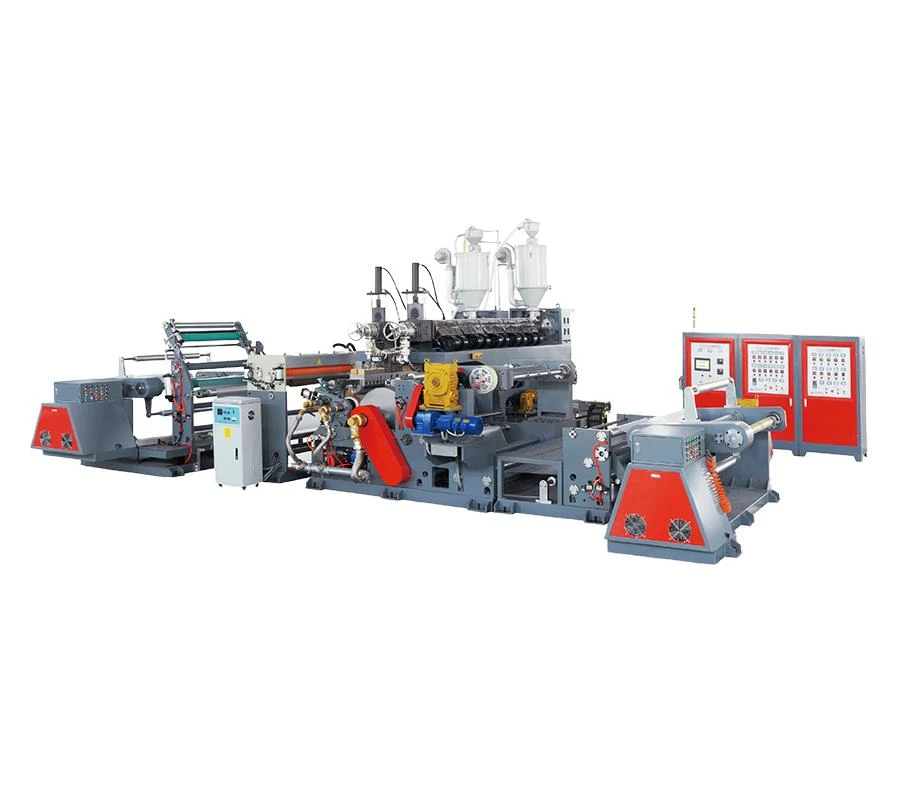
Recently, the environment of the production of packaging machinery has undergone a profound evolution, driven by advances in technology and a growing emphasis on eco-friendliness. As industries strive for increased efficiency and reduced impact on the environment, manufacturers are reconsidering their approaches to packaging solutions. This shift is not just about updating machinery; it represents a fundamental transformation in how items are packaged, transported, and shown to customers.
With the growth of automated processes, artificial intelligence, and connected device connection, the prospects of packaging machinery looks both hopeful and fluid. Film Coating Extrusion Lamination Machine are now able to develop smarter, faster, and more adaptable machinery that adjusts to a multitude of packaging demands. This does not just boosts manufacturing efficiency but also guarantees firms can react more promptly to market demands. As we investigate the innovations reshaping this sector, it becomes clear that the progression of packaging machinery production is set to revolutionize how goods are prepared across multiple fields.
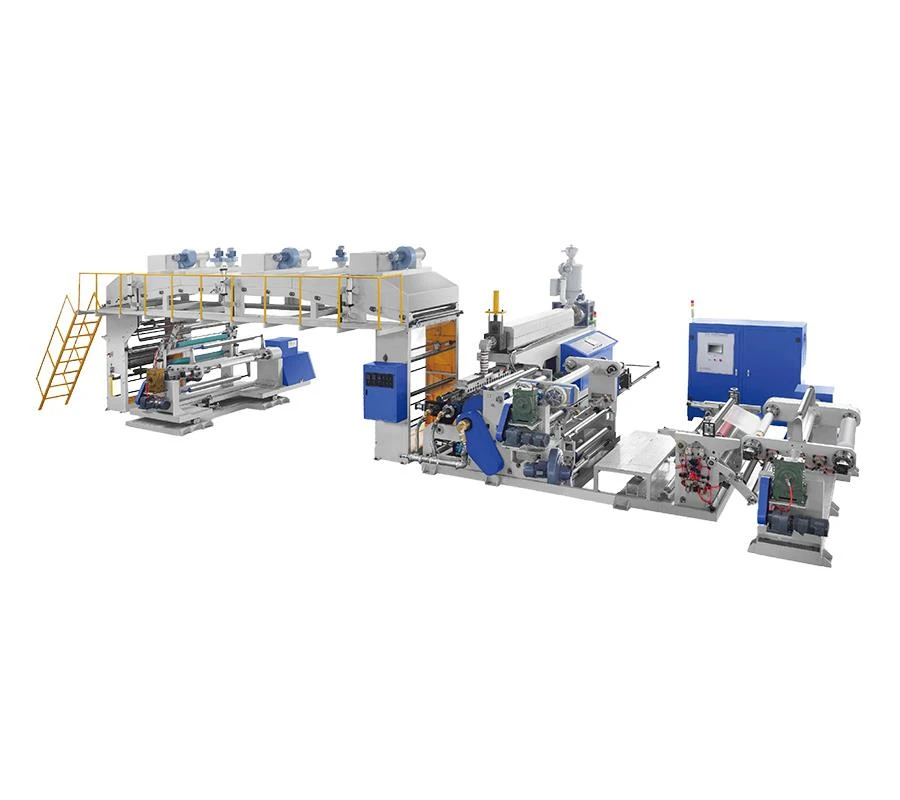
New Innovations in Packaged Machinery
The environment of packaged machinery manufacturing is being revolutionized by progress in technology. Automation is at the forefront, with automated systems more incorporated into packaged lines. These machines enhance productivity by executing monotonous tasks with accuracy and rapidity, reducing human error and labor costs. Additionally, the use of computer intelligence enables for immediate monitoring and modifications in production processes, ensuring ideal performance and minimizing idle time.
Another significant development is the integration of advanced technology into packaging machinery. This entails the use of Internet of Things devices that facilitate for interconnected machinery to collaborate with one another. https://www.jiandajx.com/category/paper.html allows manufacturers to collect data on machine functionality and maintenance demands, leading to preventive solutions and an total enhancement in workplace efficiency. The implementation of advanced systems assists in forecasting failures before they occur, thereby minimizing interruptions in the manufacturing flow.
Eco-friendliness is driving advancements in packaging materials and machinery likewise. Manufacturers are now shifting on eco-friendly packaging solutions that not only lessen environmental footprint but also meet consumer wants for sustainable products. This shift is backed by modern machinery designed to handle biodegradable and recyclable materials effectively, ensuring that the packaged process matches with eco-friendly principles. As green practices becomes a main concern, these advancements in packaging technology will play a crucial role in molding the outlook of the sector.
Sustainability Trends in Production
As the worldwide focus on eco-friendly responsibility grows stronger, sustainability trends are transforming the landscape of product manufacturing. Businesses are more and more embracing sustainable practices to reduce their carbon footprint and improve energy efficiency. This shift not only aligns with the demands of consumers but also tackles regulatory pressures aimed at reducing waste and promoting recycling. Advancements in substances and designs are leading to machines that consume less energy and generate less waste, ultimately driving down costs for manufacturers.
The combination of automation technologies and smart technologies is another key trend in sustainable product manufacturing. Cutting- Custom Packaging Machinery Manufacturer and artificial intelligence can enhance production processes, guaranteeing that resources are used efficiently. These systems enable manufacturers to monitor material usage, adjust workflows, and reduce excess consumption. As a consequence, companies enjoy enhanced operational efficiency while committing to greener practices. This adoption of Industry 4.0 not only modernizes equipment but also aligns with a broader corporate responsibility agenda.
Moreover, cooperation across the supply network is becoming essential in fostering sustainability in packaging manufacturing. Manufacturers are partnering with vendors to obtain sustainable materials and create new packaging solutions that satisfy eco-friendly guidelines. By working together, they can create closed-loop systems that prioritize recycling and circular economy principles. These partnerships not only enhance product sustainability but also showcase a collective effort toward a greener future, reinforcing the significance of sustainability in manufacturing processes.
Future Challenges and Opportunities
As the sector of packaging machinery production evolves, it faces a series of challenges that demand creative approaches. One major obstacle is the rapid speed of technological progress. jiandajx must constantly update their machinery and processes to adapt to automation and smart technologies that improve efficiency and reduce waste. This push for modernization can necessitate significant investment and resources, which may strain smaller manufacturers who find it hard to rival larger, tech-driven companies.
On the flip side, opportunities abound for those willing to adapt. The growing emphasis on sustainability presents a prime chance for manufacturers to develop eco-friendly packaging solutions. By integrating sustainable practices into their production processes, such as using recyclable materials and reducing energy consumption, businesses can draw in customers who are more focused on their environmental footprint. Moreover, Non-Woven & Woven Fabric Extrusion Lamination Machinery Manufacturer of e-commerce has resulted in a surge in demand for innovative packaging solutions that safeguard products during transit, creating new markets for manufacturers to tap into.
Additionally, globalization continues to influence packaging machinery manufacturing by creating a diverse market for cooperative alliances and expansion opportunities. Manufacturers can leverage advancements in digital technologies, allowing them to streamline operations and enhance communication with clients worldwide. By accepting these changes and fostering a culture of innovation, the packaging machinery manufacturing sector can navigate its future challenges while capitalizing on new growth opportunities.